Production Safety & Manufacturing Insights
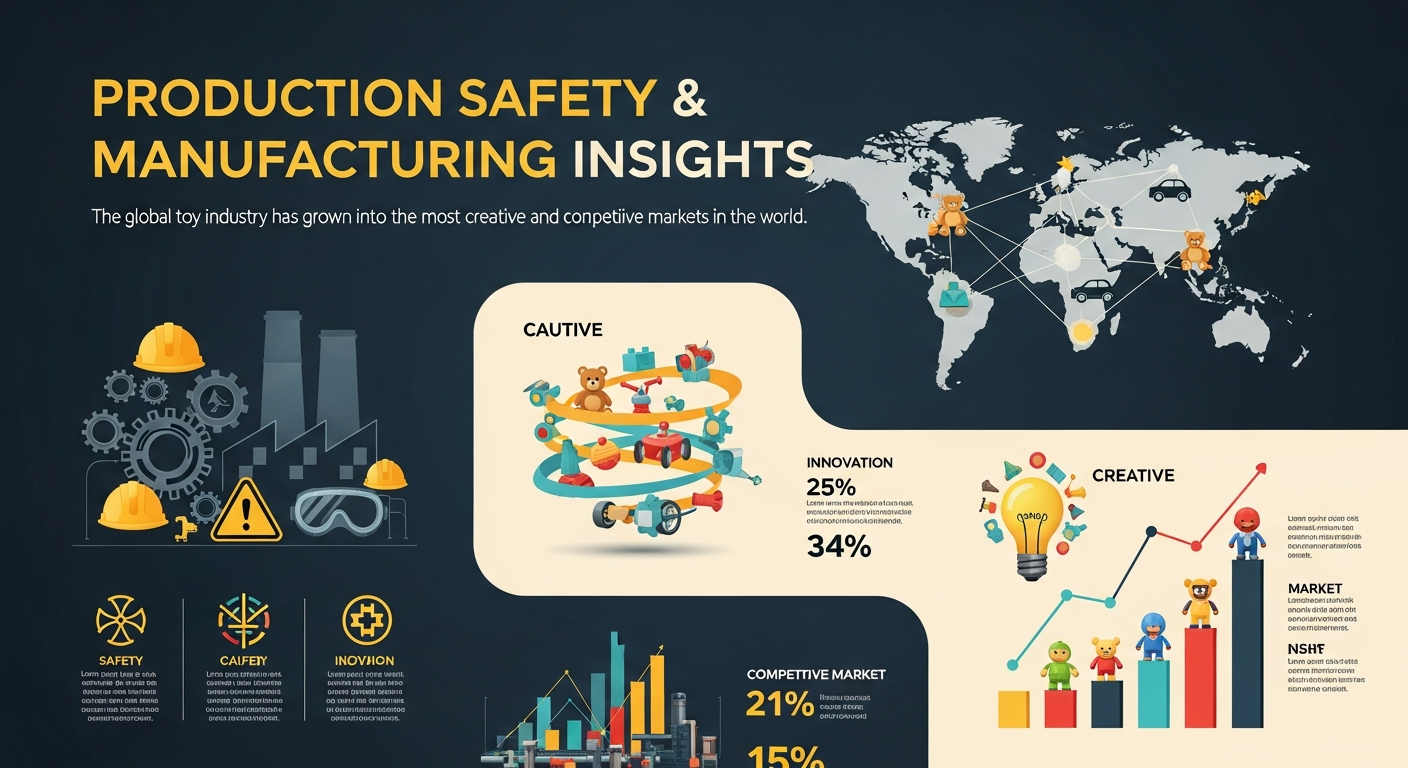
Production Safety & Manufacturing Insights The global toy industry has grown into one of the most creative and competitive markets in the world. From classic dolls to advanced electronic gadgets, the process of making toys combines art, technology, and strict safety standards. Today, toy manufacturers must not only focus on cost-effective production but also ensure that every toy is safe, sustainable, and appealing to modern consumers. With shifting production hubs, global regulations, and digital marketing trends, the toy market continues to evolve rapidly.
Asia remains the heart of toy manufacturing, producing a majority of the world’s toys. However, increasing production costs, changing consumer preferences, and environmental concerns are reshaping the landscape. Emerging markets are also catching up, offering new opportunities for growth and innovation. Understanding production strategies, safety requirements, and market trends helps manufacturers stay competitive and trusted by global buyers. This article explores key aspects of toy production, safety regulations, marketing strategies, and global sales patterns while offering insights for the future of the industry in 2025 and beyond.
Bold Toy Manufacturing Cost Comparison in Asia
Asia is home to major toy manufacturing countries like China, Vietnam, and India. China still leads due to its strong supply chain and skilled workforce, but costs are rising because of labor and raw materials. Vietnam and India are gaining attention for lower wages and government incentives for export industries. Manufacturers now compare not only cost but also quality, lead time, and compliance standards before choosing their production base.
Toy Safety Regulation in Emerging Markets
Emerging markets such as India, Brazil, and Indonesia are improving their toy safety laws to meet international standards. Governments are enforcing stricter rules about materials, labeling, and testing. Compliance with standards like EN71 (Europe) and ASTM F963 (USA) is becoming essential even for local sales. Following these regulations builds trust with parents and retailers, helping brands expand globally.
Year-Round Toy Sales Trends: Holiday vs. Non-Holiday
While holiday seasons like Christmas and New Year dominate toy sales, year-round demand is growing. Educational toys, collectibles, and character-based merchandise sell consistently throughout the year. Online shopping and influencer marketing also help brands maintain steady sales during off-seasons. Retailers are now planning smaller but frequent launches to keep customers engaged beyond holidays.
Toy Market Digital Marketing Strategies 2025
In 2025, digital marketing continues to transform the toy industry. Social media campaigns, influencer collaborations, and short video content are the most powerful tools to reach parents and children. Augmented Reality (AR) experiences allow customers to “try” toys virtually before buying. Personalized ads and e-commerce integration help toy brands increase brand awareness and boost online sales worldwide.
Seasonal Toys Market Demand Worldwide
Seasonal toys such as beach sets, snow games, and festival-themed items follow predictable demand cycles. Manufacturers plan production six months in advance to meet global shipping deadlines. Climate changes and global holidays also affect sales patterns. Diversifying product lines across seasons ensures stable revenue throughout the year.
Sustainability and Eco-Friendly Toy Production
Eco-friendly production is becoming a global trend. Parents now prefer toys made from recycled plastic, wood, or organic fabrics. Companies are reducing plastic packaging and using biodegradable materials. Investing in green manufacturing not only protects the environment but also enhances brand reputation and customer loyalty.
Technology Integration in Toy Manufacturing
Automation, robotics, and 3D printing are making toy production faster and more accurate. Smart factories use AI to monitor quality and reduce waste. Technology also allows for more customization, letting brands produce small batches for niche markets. These innovations help manufacturers stay competitive and efficient in a fast-changing market.
Challenges and Future of Global Toy Production
Rising raw material costs, global shipping issues, and sustainability demands are major challenges in the toy industry. However, new technologies, better safety standards, and emerging market opportunities promise steady growth. The future belongs to companies that balance creativity, cost, and responsibility.
Conclusion
The toy industry is a dynamic world where creativity meets precision manufacturing. From Asia’s production hubs to emerging markets, cost, safety, and innovation remain at the core of success. As parents become more conscious of safety and sustainability, companies must follow strict global standards while finding new ways to reduce costs and improve product quality.
Digital marketing and technology are also transforming how toys are made and sold. The integration of eco-friendly practices and smart production ensures that the industry continues to grow responsibly. The future of toy manufacturing depends on adaptability—embracing new materials, automation, and digital engagement. Those who evolve with these trends will continue to bring joy to millions of children worldwide.
FAQs
1. Which country is the biggest toy manufacturer in Asia?
China remains the largest toy manufacturer due to its advanced production systems and supply chain.
2. Why are toy safety regulations important?
They ensure toys are free from harmful materials and safe for children to use, building trust with consumers.
3. What marketing trends will shape the toy industry in 2025?
Digital ads, influencer marketing, and AR experiences will dominate toy promotions.
4. How is sustainability changing toy manufacturing?
Brands are using eco-friendly materials, reducing plastic, and adopting greener production processes.
5. Do non-holiday seasons affect toy sales?
Yes, non-holiday sales are growing steadily due to online shopping, educational toys, and continuous product launches.